



Unified QR/RFID Tagging & Identification
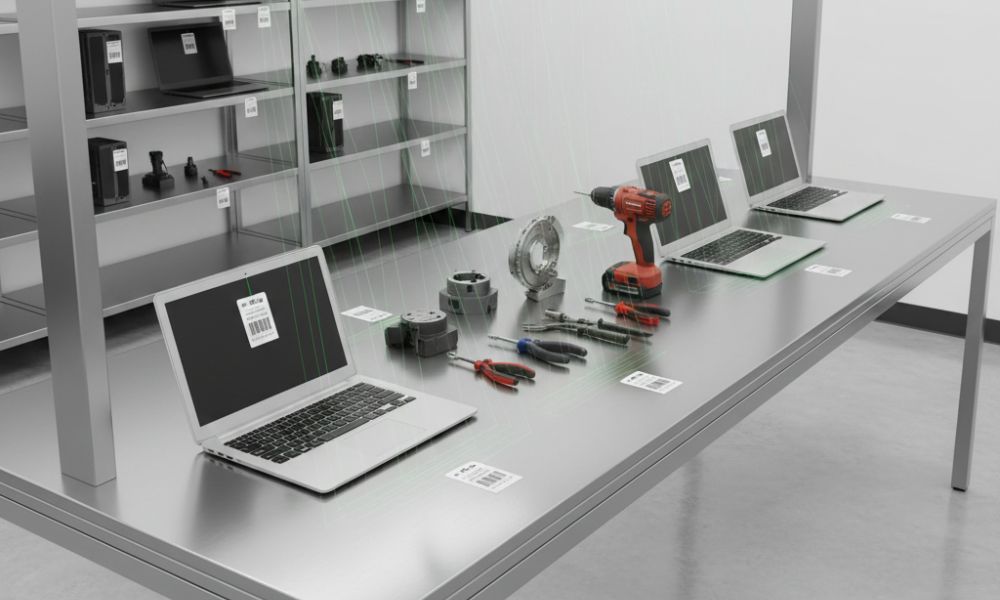
Attach QR- or RFID-based unique IDs to every asset for consistent tracking and error-free identification

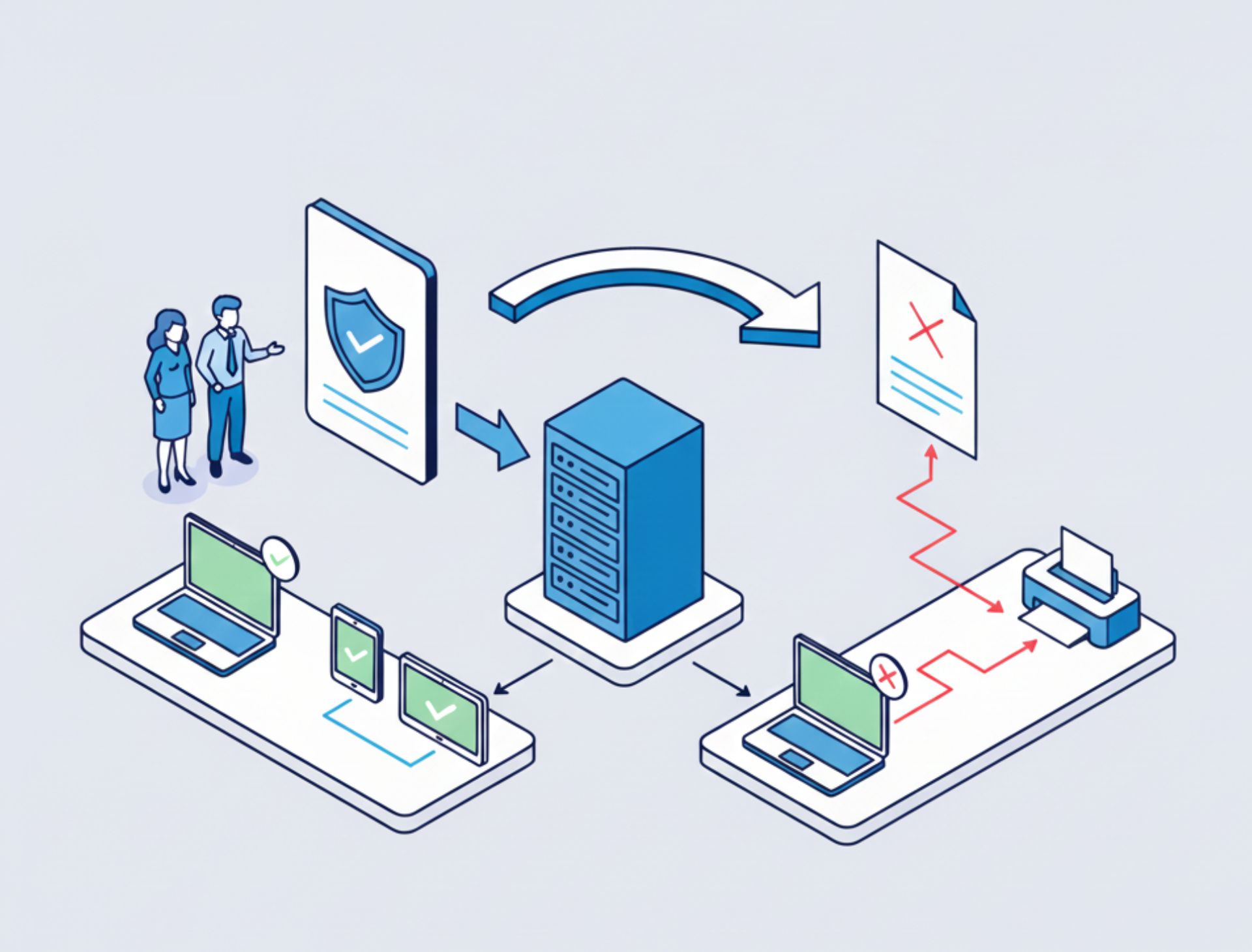
Policy-Based Workflows
Automates actions driven by organizational asset management policies.

Centralized Asset Inventory & Register
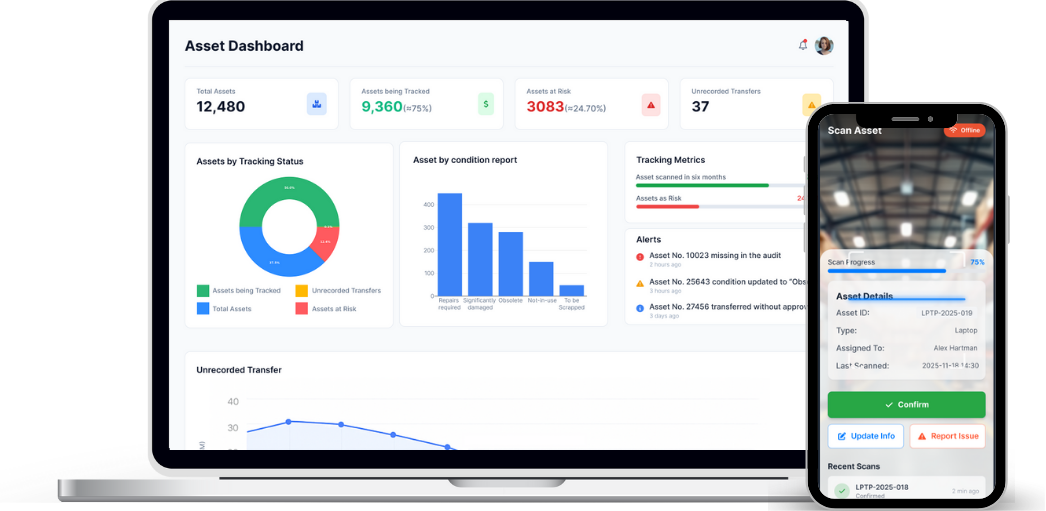
Maintain a single source of truth for all asset metadata: asset type, owner, location, status, history.
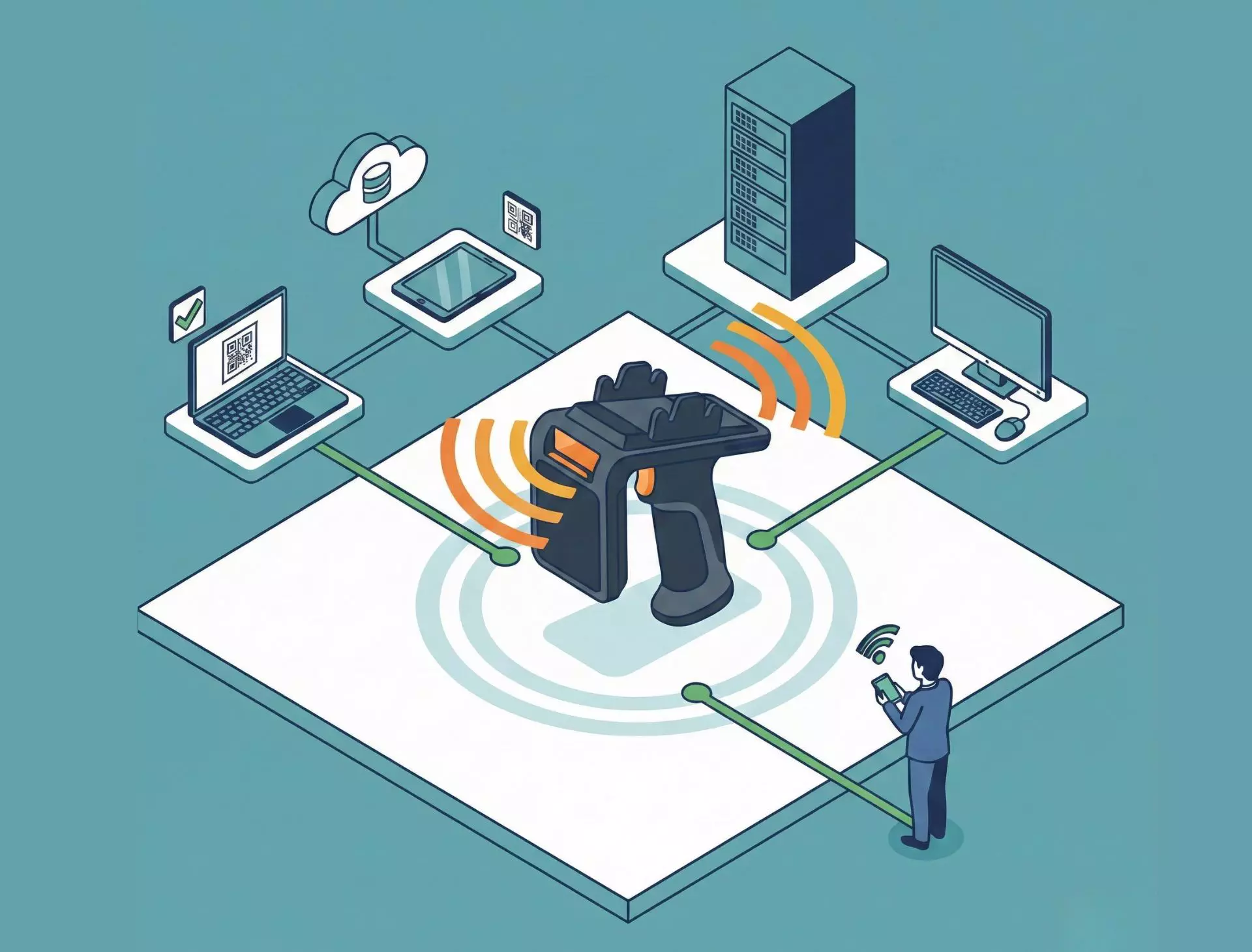


Mobile-Enabled Scanning & Inventory Operation
Use mobile apps or handheld scanners for on-site tagging, check-in/check-out, audits and bulk operations — even offline.

Audit Trail & Full Lifecycle History
Record and store every asset movement, assignment, transfer, maintenance, and audit log — enabling compliance and easy audits

Multi-Location & Multi-Site Support
Seamlessly manage assets across plants, warehouses, offices, branches and geographies — with consolidated visibility.

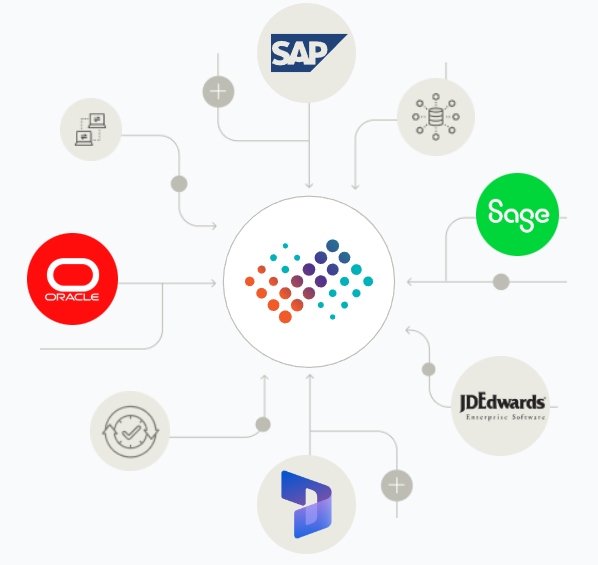
ERP / ITSM / External System Integrations
Connect with ERP, accounting, procurement or ITSM platforms for seamless data sync and unified enterprise workflows.














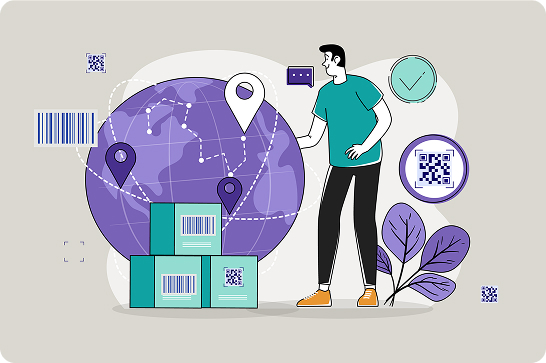
Every asset, whether in a plant, warehouse, or remote field location, carries a unique QR or RFID tag, making it instantly identifiable. This eliminates blind spots, reduces losses, and ensures that critical equipment is always accounted for, no matter where it moves.
Automate tagging and scanning workflows for fast, error-free audits and inventory counts. Eliminate manual reconciliations and reduce audit time from days to hours
With QR/RFID tagging, scanning, and real-time status tracking — lose fewer assets, curb misplacement, and prevent theft across sites.
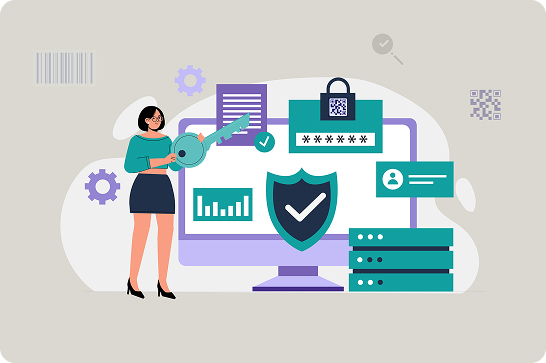
Keep an audit-ready register capturing depreciation, insurance, warranty, maintenance logs — ideal for compliance, insurance audits, accounting, and tax filings.
Use real data on maintenance, utilization, lifespan, and depreciation to plan CAPEX, maintenance budgets, replacement cycles, and asset procurement with precision.




Manufacturing & Plant Operations
Tag, track and audit heavy machinery, tools, and spare parts across multiple plants — ensuring uptime, planned maintenance, and controlled lifecycle management.

IT & Office Equipment Management
Manage IT hardware, peripherals, and office assets centrally — with transparent ownership, warranty status, lifecycle tracking, and audit-ready compliance.

Healthcare & Medical Equipment Tracking
Get real-time visibility of critical medical devices and equipment across wards and facilities. Ensure maintenance, compliance and availability for improved patient care.

Logistics, Warehousing & Fleet Support
Track warehouse machinery, containers, transport trolleys and shared equipment — reducing loss, optimizing utilization, and improving accountability.

Field Services & Remote Site Equipment
Streamline asset control for remote or field-based operations. Use mobile scanning and offline sync for accurate asset data even in low-connectivity zones.
Multi-Site Enterprises with Distributed Assets
Easily manage assets across offices, plants, warehouses, branches, and regions — with consolidated visibility, traceability, and audit-ready records.