

Hardware Asset Management Software
Gain unmatched visibility and governance across your distributed hardware assets
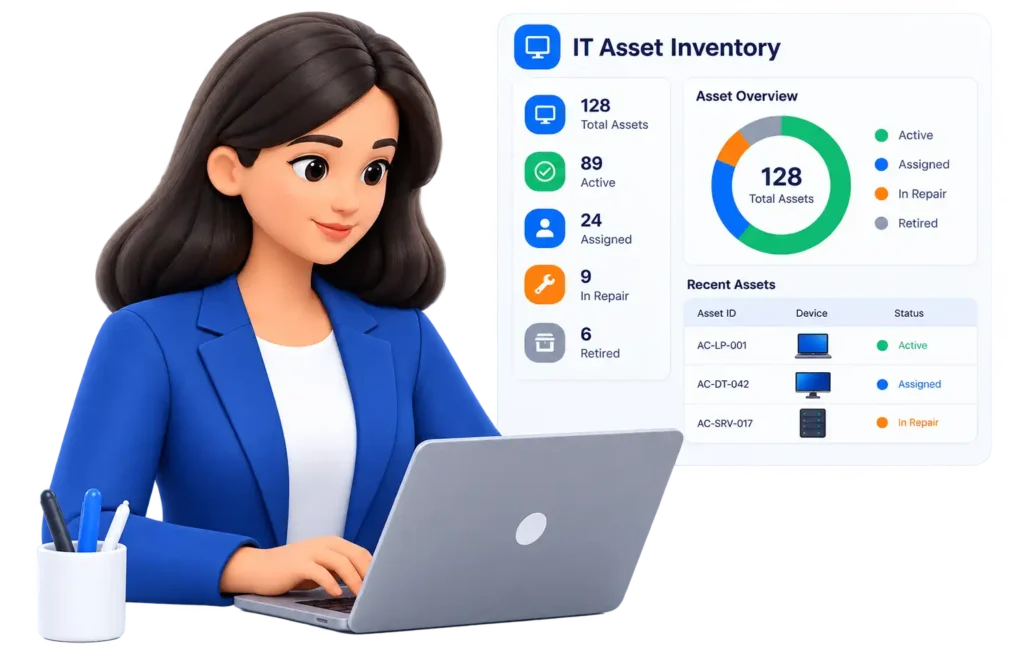
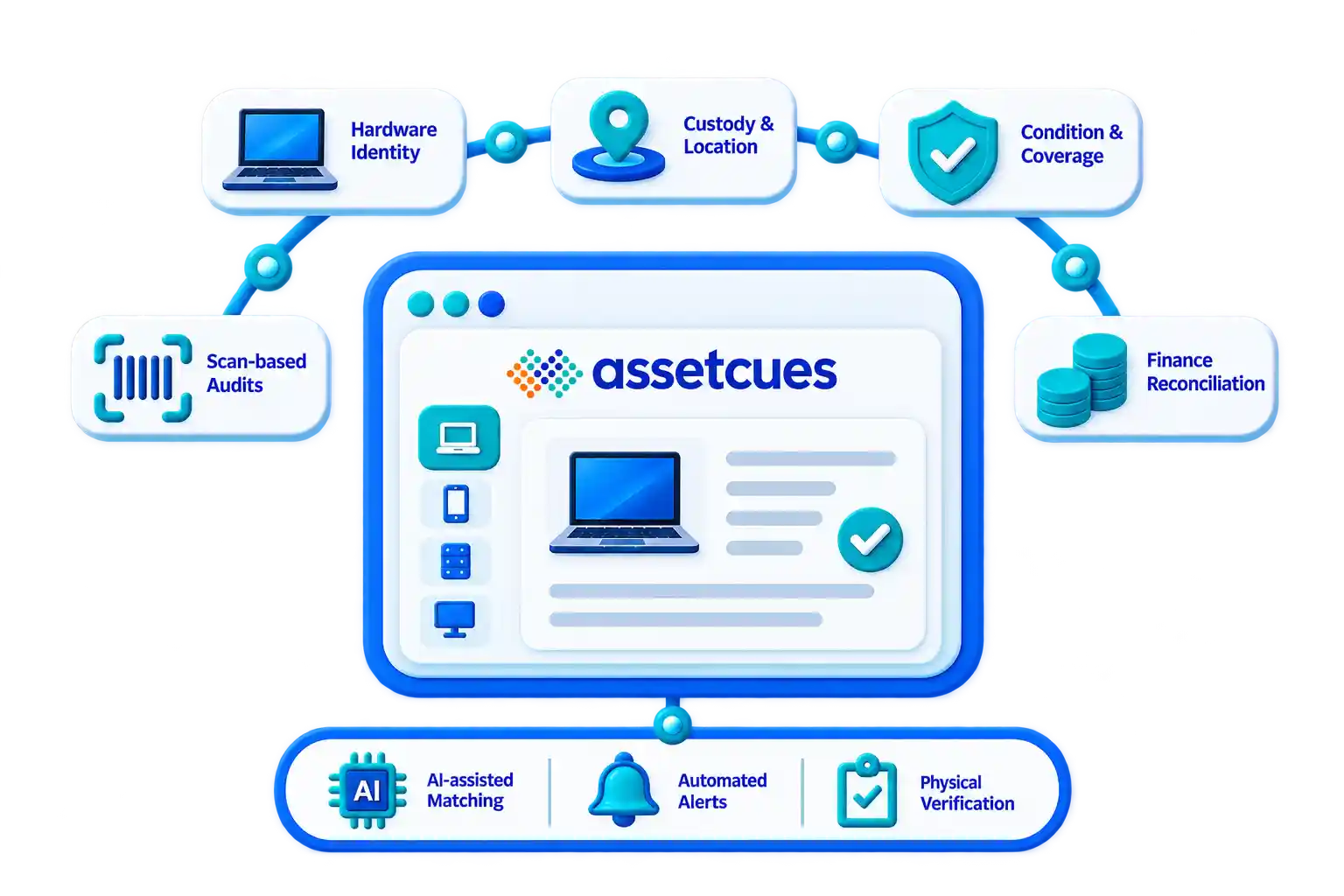
Achieve centralized visibility, automated audits, secure custody tracking, and full lifecycle intelligence in one powerful platform.
Workflow
Simplifying Hardware Asset Management for IT Teams with AssetCues
Stage 1:
Import your Hardware asset list into AssetCues
Import all hardware records into AssetCues to create a centralized, audit-ready asset register.
Stage 2:
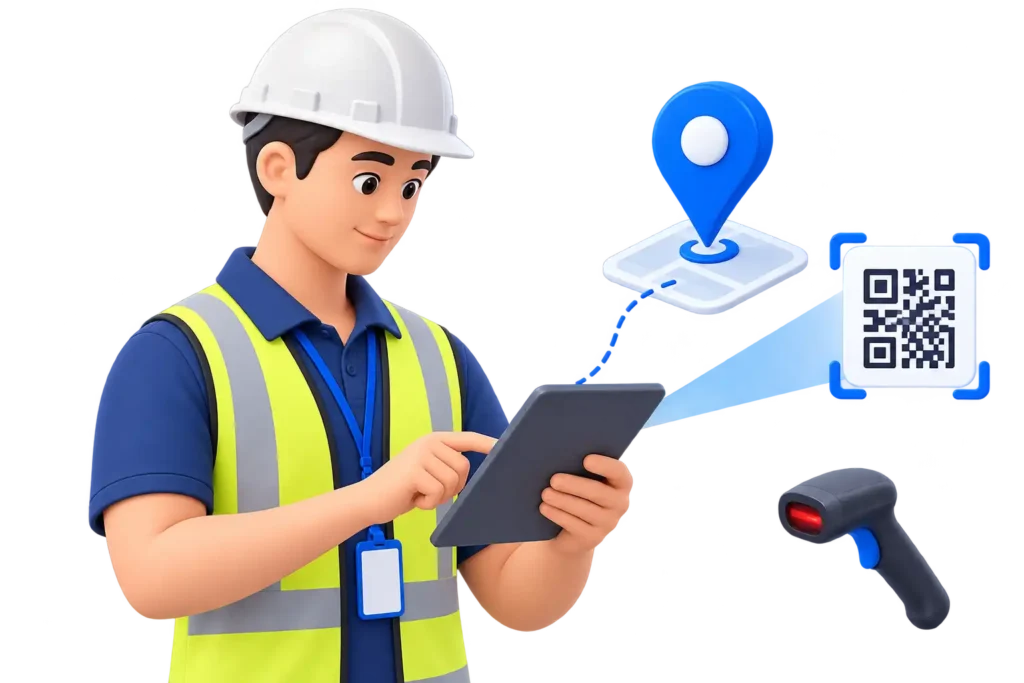
Tag assets using QR/RFID Tags
Tag assets with QR/RFID labels for fast, accurate scanning and real-time identification.
Stage 3:
Assign and track custody
Assign assets to users or locations and track complete, timestamped custody history.
Stage 4:
Capture all movements via mobile app
Record asset movements instantly using the mobile app for accurate, real-time updates.
Stage 5:
Monitor lifecycle events & alerts
Monitor warranties, maintenance, and lifecycle events with automated alerts and notifications.
Stage 6:
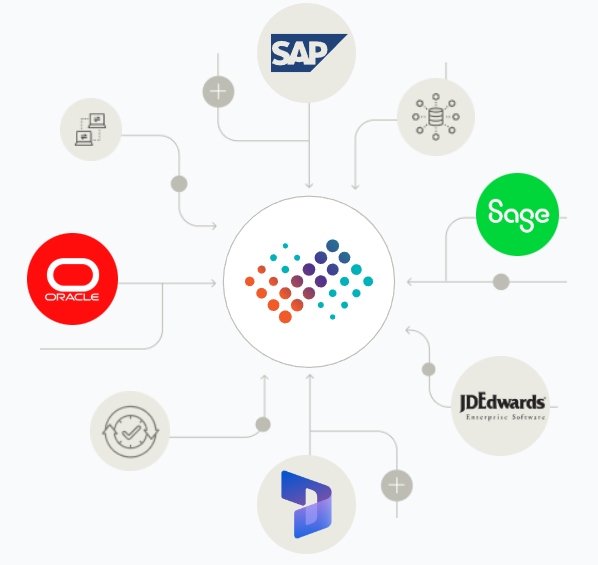
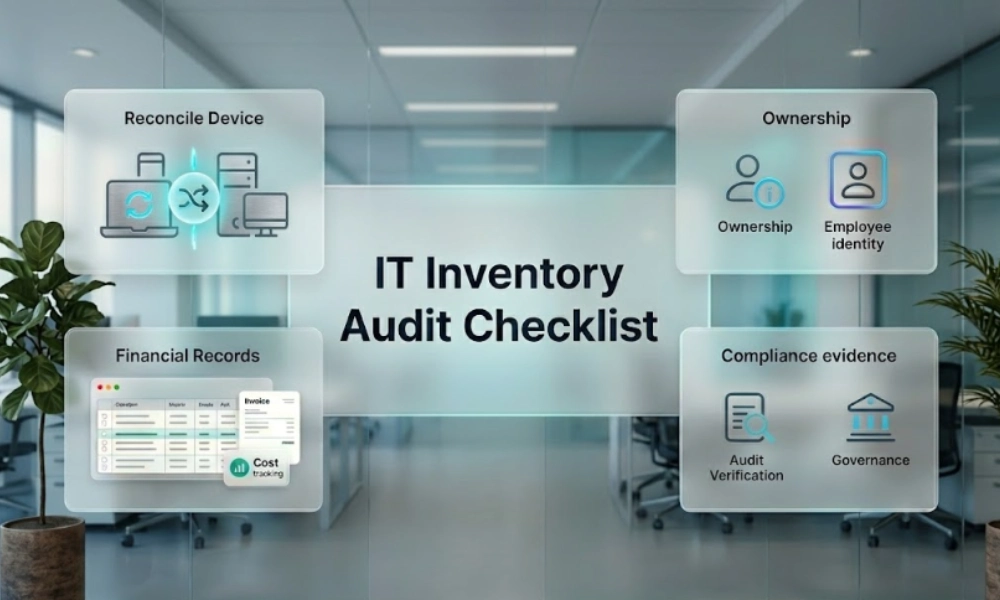
Reconcile records and sync to ERP/ ITSM
Reconcile asset data and sync with ERP/ITSM systems for unified, accurate records.
Challenges
The Hidden Risks of Managing Fixed Assets Manually
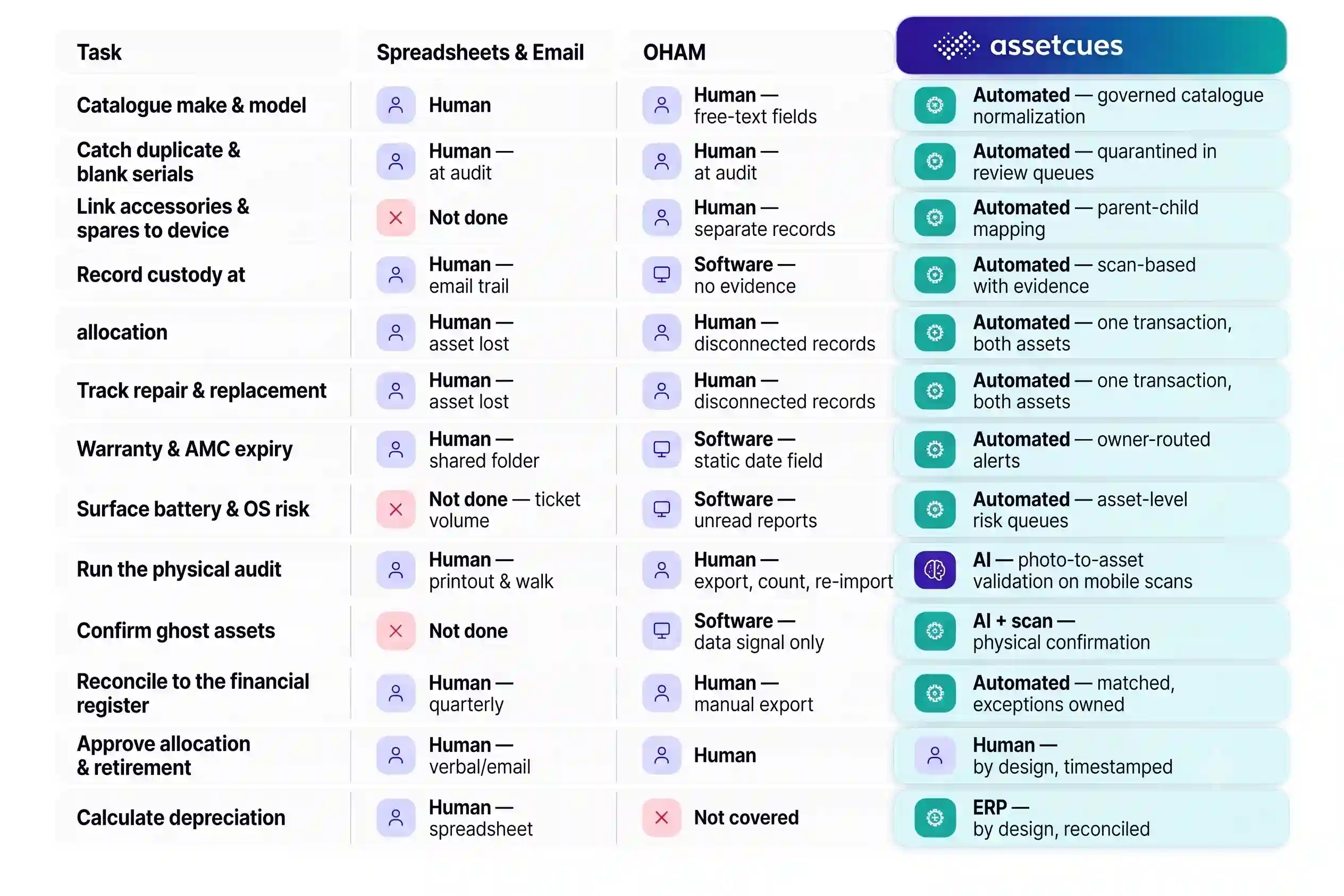
Manual asset tracking leads to visibility gaps, inaccurate records, and costly mistakes across purchase, transfer, and disposal cycles.
Lost or untracked devices
Scattered spreadsheets, missing tags, and inconsistent updates cause assets to disappear from records, creating ghost assets and reducing visibility across teams, locations, and audits.
- Outdated registers
- Unknown locations
Outdated or mismatched hardware records
When asset data is stored in multiple silos, mismatches arise between IT, finance, and procurement systems—leading to inaccurate inventories and unreliable decision-making.
- Record discrepancies
- No single truth
Manual audits requiring heavy effort
Teams spend days physically verifying assets, consolidating spreadsheets, and resolving discrepancies—making audits slow, error-prone, and disruptive to daily IT operations.
- Time-consuming checks
- Human errors
Duplicate purchases due to lack of visibility
Without clear insight into available hardware, teams unknowingly buy equipment that already exists, leading to overspending and poor utilization of existing assets.
- Underused assets
- Blind procurement
Unreturned or misused equipment
Devices assigned to employees or vendors often go unreturned or misused due to weak tracking and lack of accountability—resulting in financial losses and security risks.
- No accountability
- Unauthorized usage
Missed warranty and maintenance cycles
Without automated reminders, critical maintenance and warranty renewals slip through the cracks—leading to unexpected failures, increased downtime, and higher replacement costs.
- Missed renewals
- Delayed service
Core Features
Analytics That Drive Performance and Strengthen Financial Integrity
Centralized Asset Register
Unified cloud register storing all hardware data accurately.
Mobile Scanning & Verification
Scan and verify assets instantly using mobile devices.
Automated Lifecycle Tracking
Track each asset’s complete lifecycle automatically.
Check-in/Check-out Management
Ensure complete accountability by logging custody changes, asset assignments, and returns with automated timestamps.
Warranty & Maintenance Automation
Automated reminders prevent missed renewals, schedule service events, and keep devices healthy throughout their lifecycle.
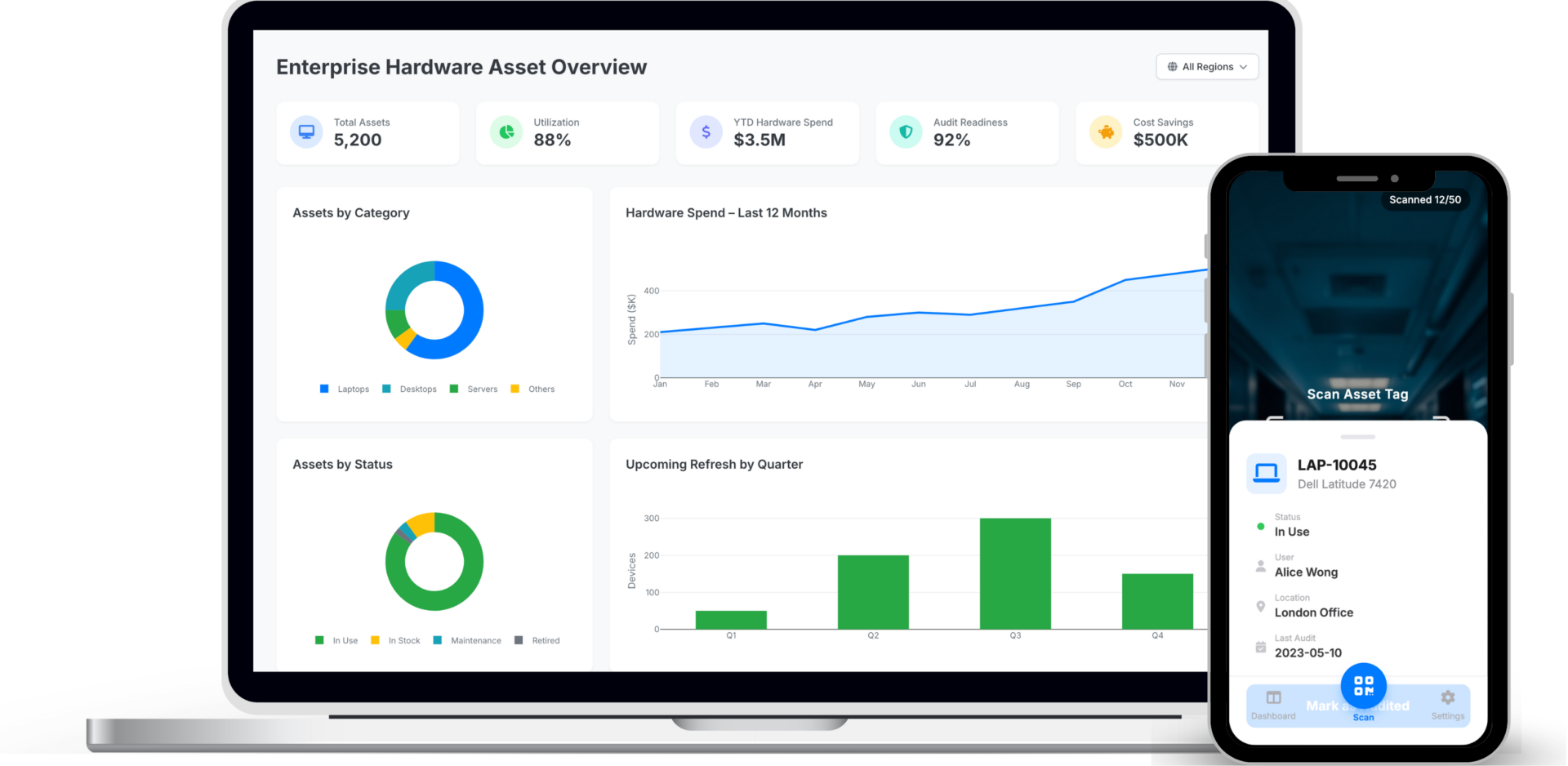
Analytics, Dashboards & Finance Reconciliation
Gain actionable insights, monitor utilization trends, and align hardware data with finance systems for accurate reporting.
Custody tracking with approvals
Track responsible users, enforce approval workflows, and maintain a verified chain of custody for every asset movement.
Additional Features
Built for Accuracy, Mobility, and Multi-Tech Asset Control
Trusted by leading IT teams worldwide
Benefits
Proven Hardware Asset Management, Trusted by IT Leaders Worldwide
Gain complete visibility into every asset’s location and status, helping prevent ghost assets, misplaced devices, and unnecessary financial losses across teams.
Automated records, mobile scanning, and accurate real-time data drastically reduce manual work, making audits faster, smoother, and far more reliable.
Track user assignments, approvals, and asset movements with precision, ensuring every device has a responsible custodian and misuse is minimized.
Access accurate inventory and utilization insights, helping teams avoid redundant hardware purchases and make smarter, cost-efficient procurement decisions.
Identify idle, underused, or duplicate assets and reallocate them effectively to maximize value and reduce unnecessary equipment spending.
Build confidence into every audit with a centralized, audit-ready asset register that keeps IT and finance records in sync in real time. Every transaction is fully traceable and timestamped banishing ghost assets and elevating IT leaders' confidence in compliance
Stop Losing Track of Hardware
Distributed hardware environments
Organizations with assets spread across multiple offices, warehouses, or remote locations gain real-time visibility, streamlined tracking, and consistent records, ensuring control over every device regardless of geography.
Device-heavy organizations
Teams managing large volumes of laptops, peripherals, servers, and field equipment can automate tracking, reduce losses, optimize utilization, and maintain accuracy across rapidly changing asset landscapes.
Industries needing FAR accuracy
Sectors requiring precise fixed asset reporting—such as finance, government, and manufacturing—benefit from audit-ready records, lifecycle tracking, and reliable verification to ensure full FAR compliance.
Use Case
From Tracking to Optimization: Real-World Impact of Asset Management Software
Trusted by Leaders, Built for Scale
Happy Users
Million Assets Tracked
Years of Experience
Countries, where used
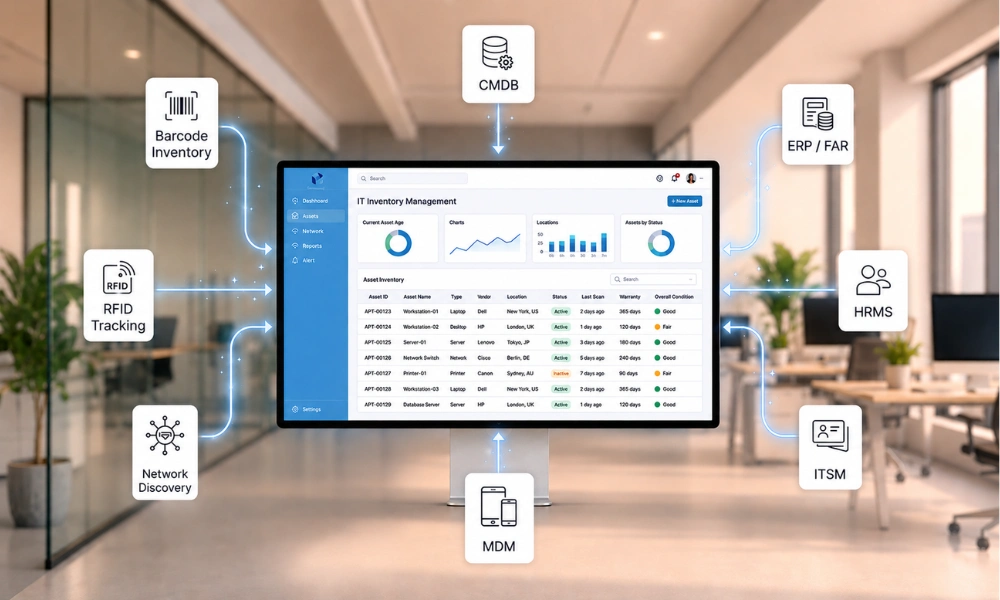
Integration
Insights & Information
Want to see this workflow in action?
FAQs
What is hardware asset management software?
Why is hardware asset management important for IT leaders?
What are the key stages of hardware asset lifecycle management?
- Planning & Budgeting
- Procurement & Tagging
- Deployment & Usage
- Maintenance & Monitoring
- Retirement & Disposal